Plantar Fat Pad Atrophy
Plantar Fat Pad Atrophy
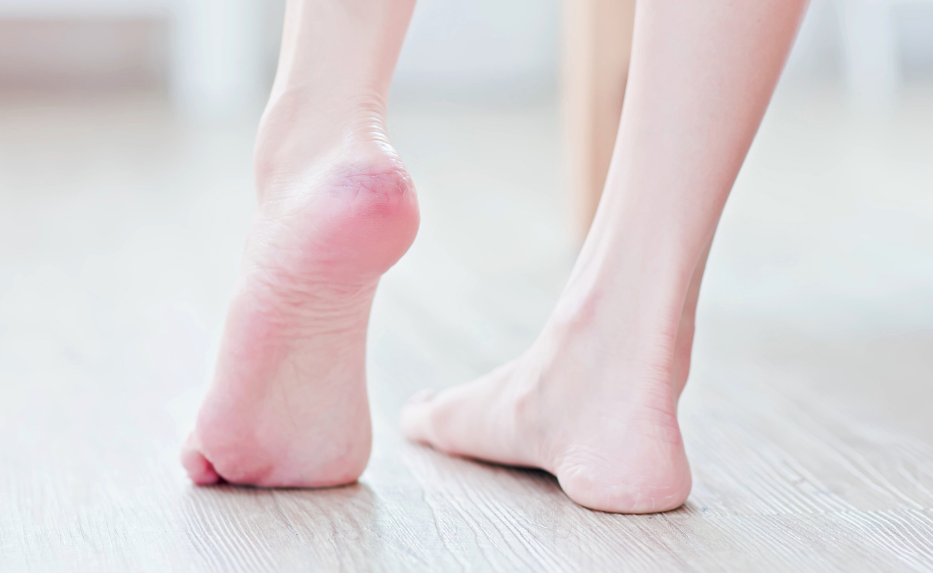
Plantar fat pad atrophy describes the breakdown or thinning of the fat pads on the bottom of our feet. These fat pads work to provide cushioning to the bones of our feet and help absorb forces as our feet take on heavy loads each day. Without these, the bones are placed under significantly more pressure and are more susceptible to injury. Plantar fat pads are located at the heel and at the ball of the foot.
What causes plantar fat pad atrophy?
The progressive thinning of fat pads occurs as we grow older, though this should not cause any issues until the late years. Other causes may include:
- Genetic predisposition
- Abnormal structure of positioning of the bones of the foot that damages the fat pad beneath
- Conditions such as diabetic neuropathy
- Surgery or trauma such as fractures
- Certain medications
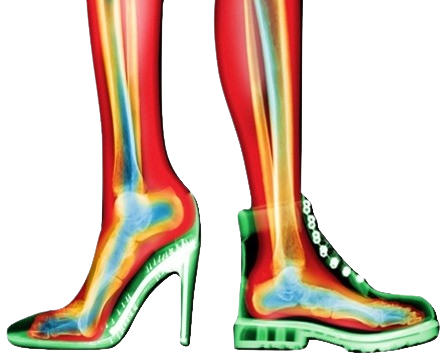
- Shoes that place more pressure on the fat pads such as high heels, or walking in bare feet
Fat pads may also become displaced from where they are needed most to other areas of the foot.
What are the symptoms?
When plantar fat pads are thinned or broken down, the bones will start taking on a much heavier load and the feet will not be able to absorb shock as effectively. This can cause:
- Pain and tenderness in the overloaded bones
- Inflammation
- Formation of callus and/or corns
- Ulceration
- The skin may feel thinner
- Bones may be more prominent and may feel like you’re walking on a small stone
How is it treated?
Because the damage and thinning to the plantar fat pads is largely irreversible, treatment focuses on providing the feet with the missing cushioning and shock absorption. This is often done through a combination of cushioning orthotics and good footwear. Avoiding activities that exacerbate the symptoms such as walking in bare feet and maintaining a healthy weight will also reduce the load from your feet and minimise the onset of painful symptoms. Your podiatrist will create a tailored treatment plan based on the cause of your plantar fat pad atrophy, your symptoms, and daily activities.
Recent Posts
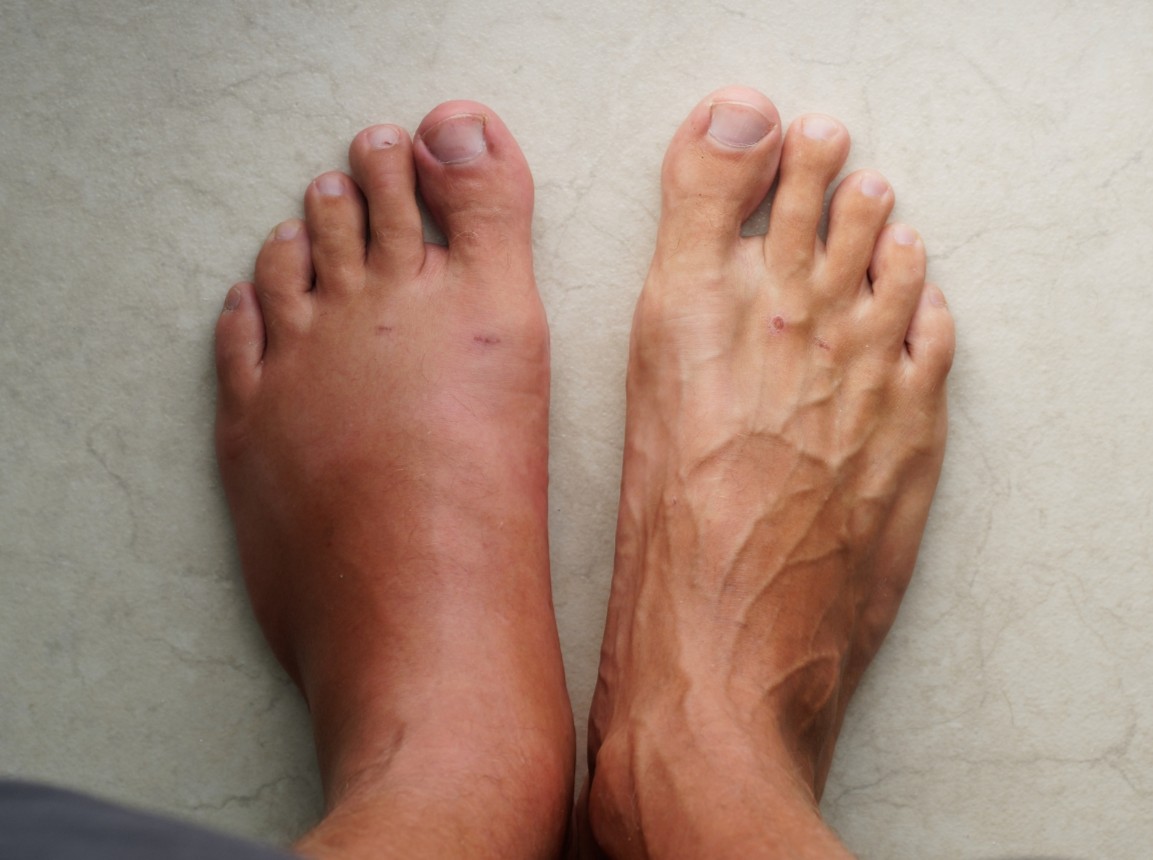
Why Are My Feet and Ankles Swollen? 6 Possible Reasons You Should Know
We’ve all had those days — you come home after hours on your feet, kick off your shoes, and notice your ankles look puffier than usual.
Swelling in the feet, ankles, or legs (known medically as edema) isn’t always a reason to panic. It can be as simple as a
salty lunch or a long flight.
But what if it’s happening more often — or seems to be getting worse? Swelling can sometimes be a sign of something more serious. Here’s
what could be going on and when to check in with your doctor.
Read more
.jpg)
Stepping Into Health: Celebrating International Podiatry Day
Every year on October 8th, the world celebrates International Podiatry Day - a day dedicated to
raising awareness about foot health and the vital role that podiatrists play in our overall well-being.
Read more
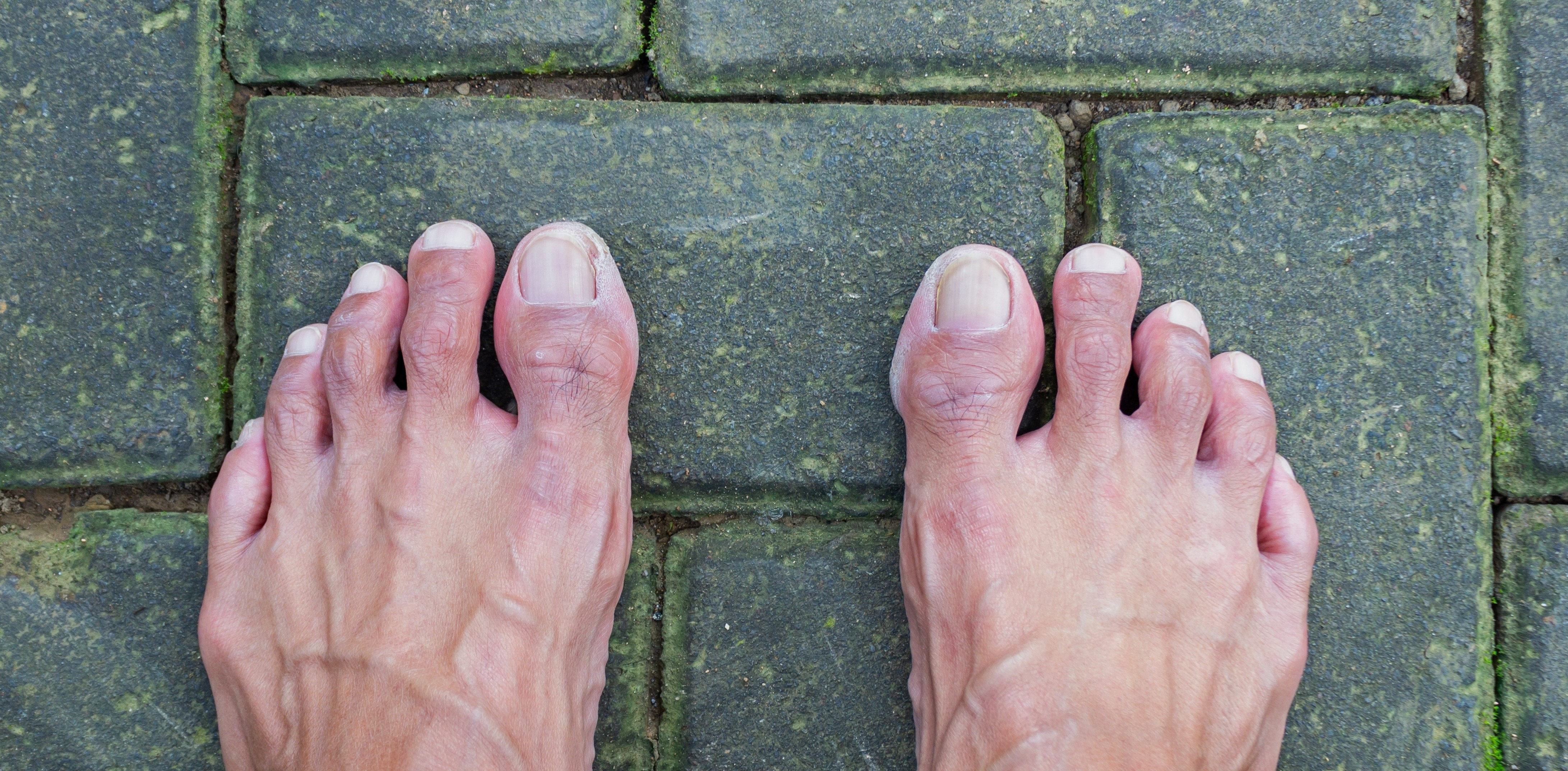
Barefoot or Shoes? The Debate for Kids and Athletes
There’s been a lot of buzz about going barefoot. Some say it helps strengthen feet and improves performance, while others warn it can do more harm than good. The truth? It depends on the person, the surface, and how it’s done.
Read more
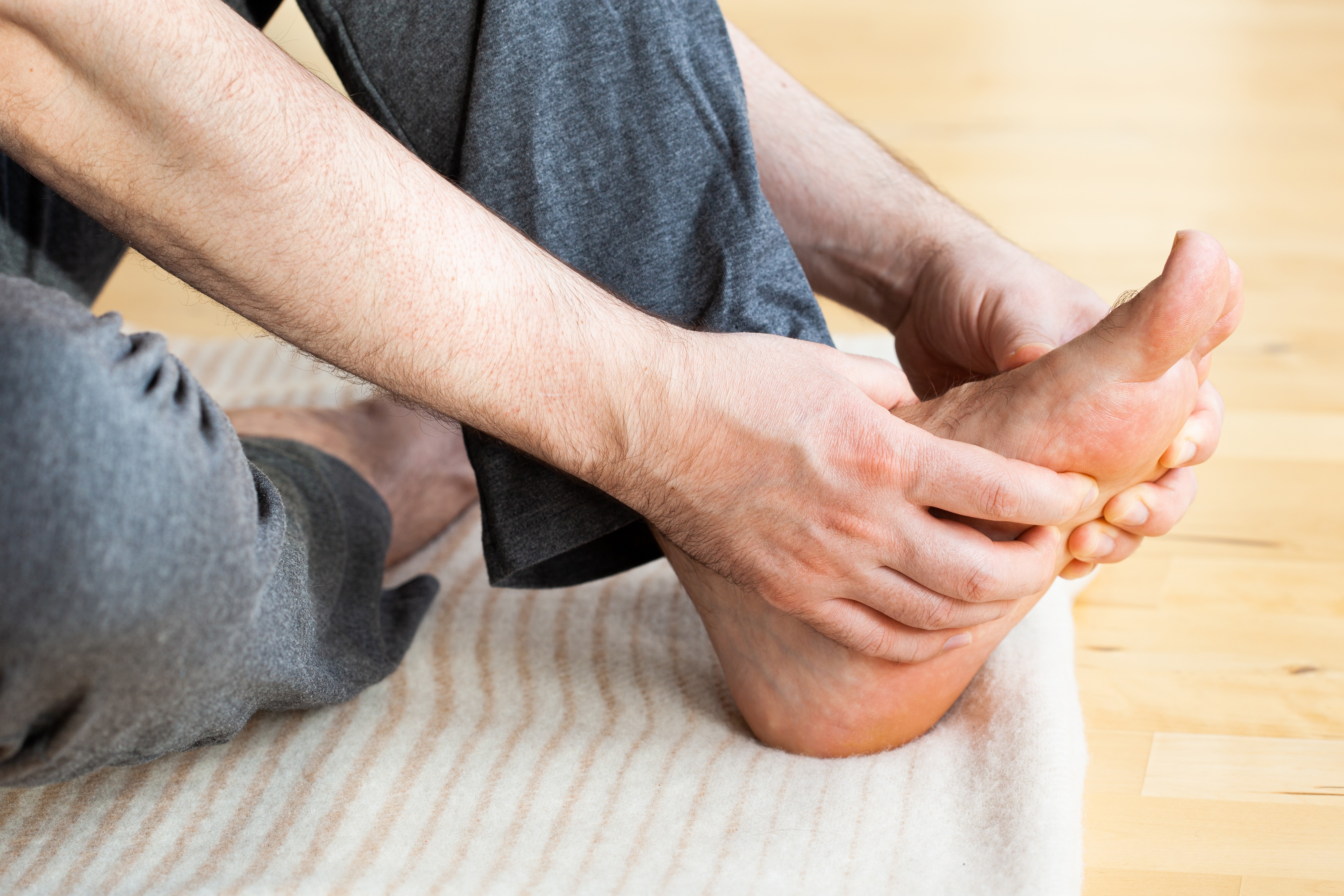
Effective Verruca Treatment: How Conservative Care Can Help All Ages
At Perform Podiatry, we specialise in conservative, evidence-based treatments that are safe, effective, and suitable for patients of all ages. One of the most successful options we offer is high-strength salicylic acid therapy.
Read more

Acupuncture and Podiatry: A Modern Approach to Foot & Ankle Care
When most people think of podiatry, they picture orthotics, skin/nail care, or sports injury treatment. But podiatry isn’t just about what’s
happening mechanically in your feet, it’s also about supporting the body’s natural healing processes.
One treatment that’s gaining popularity in podiatric care is acupuncture — a technique with ancient roots and modern
scientific backing.
Read more
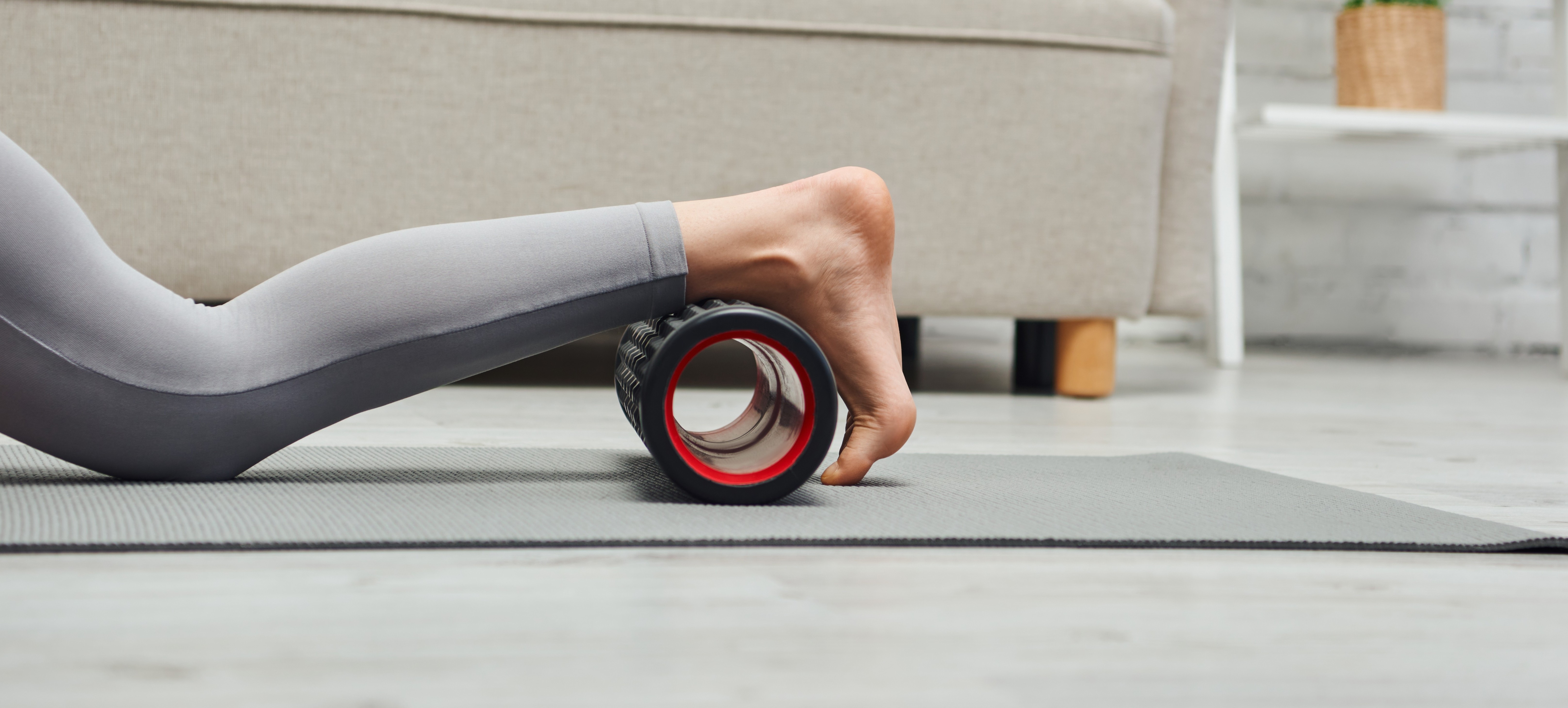
Foam Rolling: A Game-Changer for Foot & Lower Limb Health
Even a few minutes of foam rolling per day can make a significant difference in your lower limb health. Focus on the calves, hamstrings, IT
band, and plantar fascia. Combine with stretching and strengthening for best results.
Read this blog to find out more about the benefits of Foam rolling.
Read more
Winter Is the Perfect Time to See a Podiatrist
When you think of foot problems, summer usually comes to mind and so does blisters from sandals, sunburns, or barefoot beach walks. But winter can be just as tough on your feet, and in some cases, even more so.
Read more
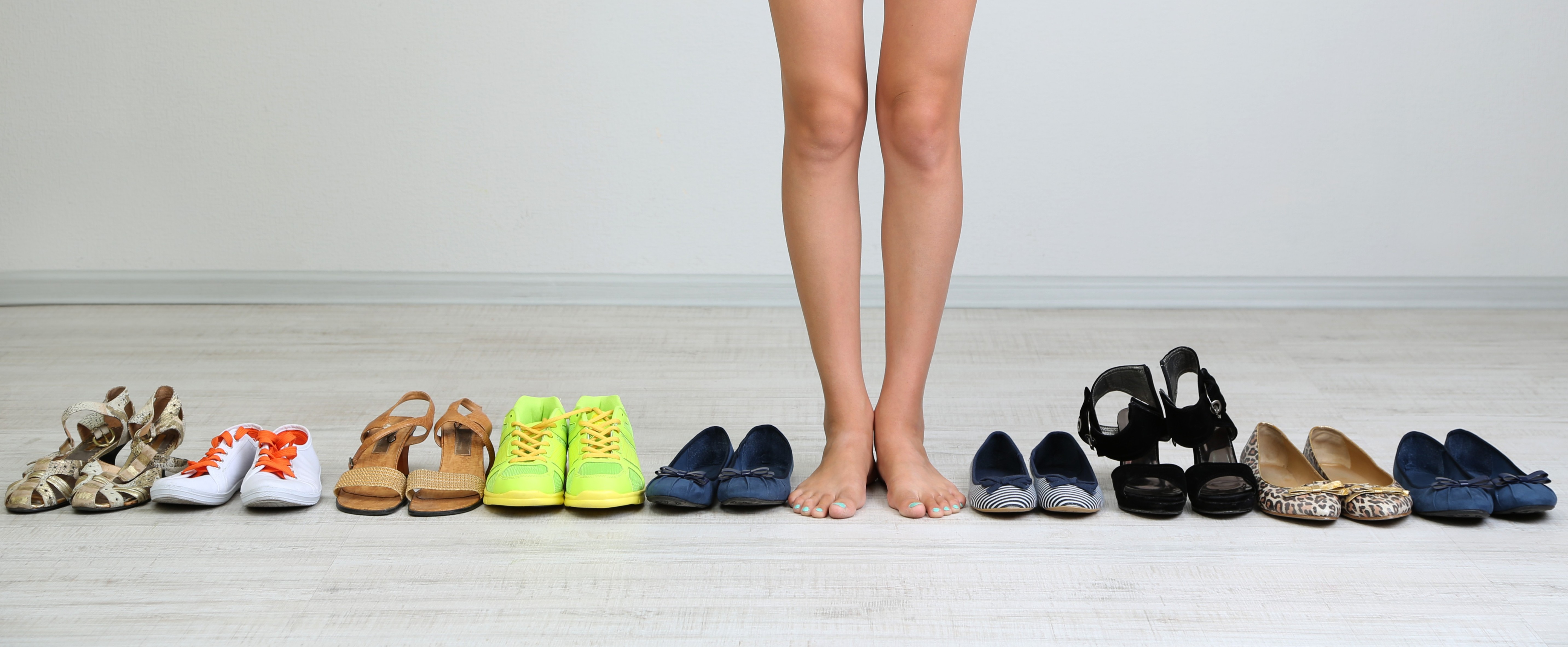
Walking Shoes vs Running Shoes: What’s the Difference And What Should You Be Wearing?
If you’re unsure whether you should wear walking or running shoes when exercising, this article is for you.
We explain the differences between walking and running shoes and how to determine which one is best for your feet. When it comes to buying a new pair of shoes, most people walk into a store expecting to just “find something comfy.” Then, suddenly, you’re asked: Are you looking for
walking shoes or running shoes? And that’s where the confusion begins. Because for many people, the answer isn’t that simple.
You could walk a lot – to work, around the block, chasing after the kids, or while catching up with friends. You could have also just joined
a gym or registered for the Couch to 5km. Or you could be a walker who just wants the option to go for a run if the mood strikes. So, which
shoe do you pick?
Read more

Healthy Feet, Happy Life: Why Seniors Shouldn't Ignore Their Foot Health
Discover why foot health is so important as we age and how Perform Podiatry supports seniors in staying mobile, independent, and pain-free. From diabetic care to personalised treatment plans, we’re here to help keep your feet happy and healthy, every step of the way.
Read more
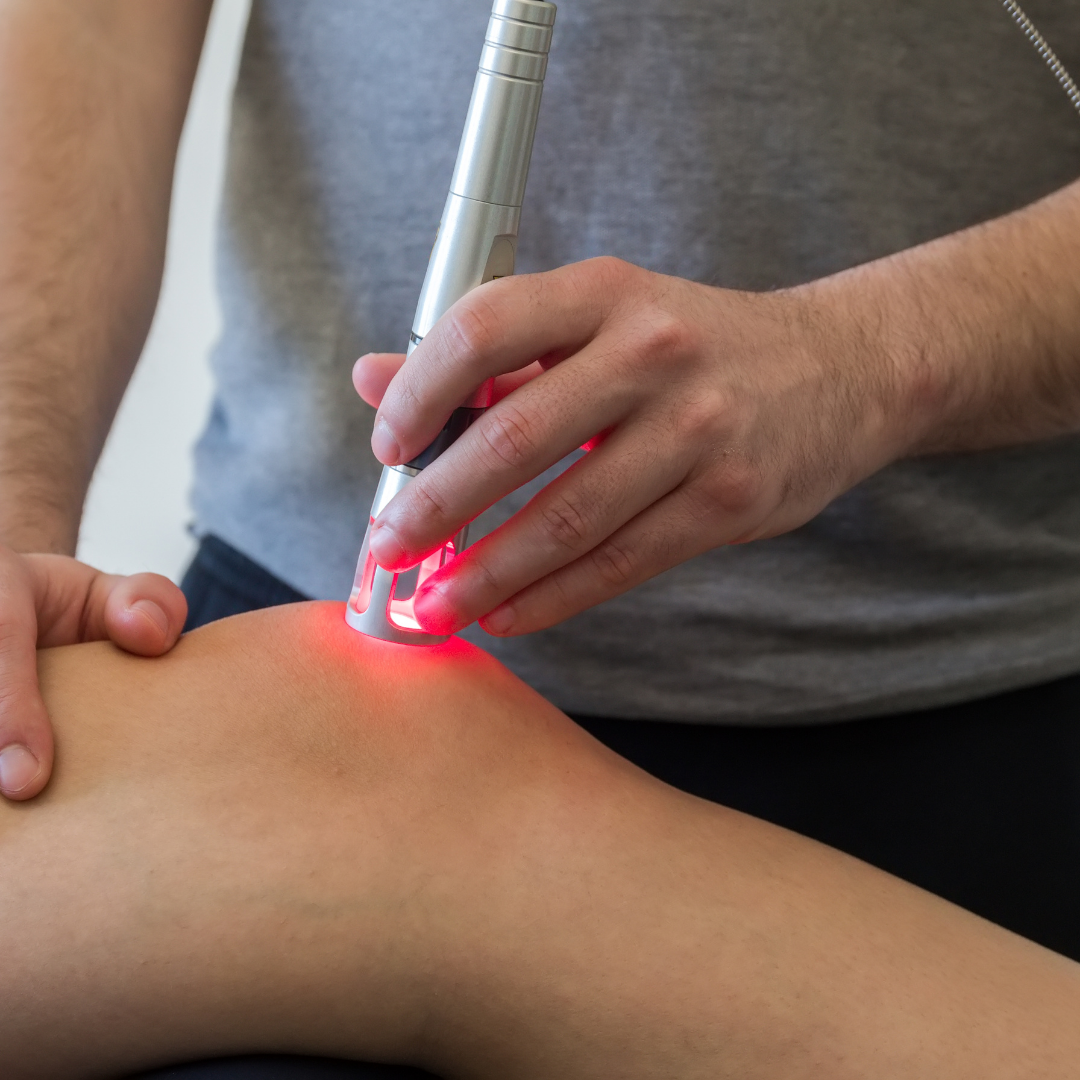
Class IV Laser Therapy: Advanced Relief for Foot and Ankle Pain
Discover how Class IV Laser Therapy at Perform Podiatry offers powerful, drug-free relief for foot and ankle pain. Backed by science, this advanced treatment helps you heal faster and move better, without the need for surgery or medication.
Read more
.png)
Thinking About Surgery? Why You Should Try Shockwave First
Since introducing shockwave therapy, we’ve helped many of our patients avoid surgery for certain conditions. Here's what you
need to know about shockwave treatment and how it works.
Read more
.png)
Nail Enhancement: A Thoughtful Gift For Mum
This Mother’s Day, consider a practical, medically safe, and confidence-boosting gift: a professional KeryFlex nail restoration treatment. It’s a simple, effective, and medically safe way to instantly transform the appearance of toenails.
Read more
Does Exercising When In Pain Help Me?
In some cases like arthritis, continuing to stay active is one of the best things you can do for your joints. Is the same true if you're in pain or have an injury?
Read more
How Does Podiatry Help After A Stroke?
A stroke is New Zealand's second single biggest cause of death and a leading cause of serious adult disability. Here's how podiatry can help in your rehabilitation.
Read more
Shockwave For Achilles Injury And Pain
Shockwave is a fantastic treatment for Achilles injuries and Achilles heel pain. Here's how it works and how our podiatrists use it.
Read more
How Does Shockwave Relieve Foot Pain? Our Podiatrists Explain
How does shockwave work to relieve foot pain? Here's how it helps you, and how our podiatrists use it at our Remuera clinic.
Read more

Five Ways to Maintain Your Fitness These Holidays
How do you go through the holidays and family visits while keeping up your strength and fitness? Here are five ways.
Read more

Podiatry Foot Care: The Best Christmas Gift?
Help your loved ones stay on their feet for years to come with a podiatry appointment. Here's how it can help.
Read more
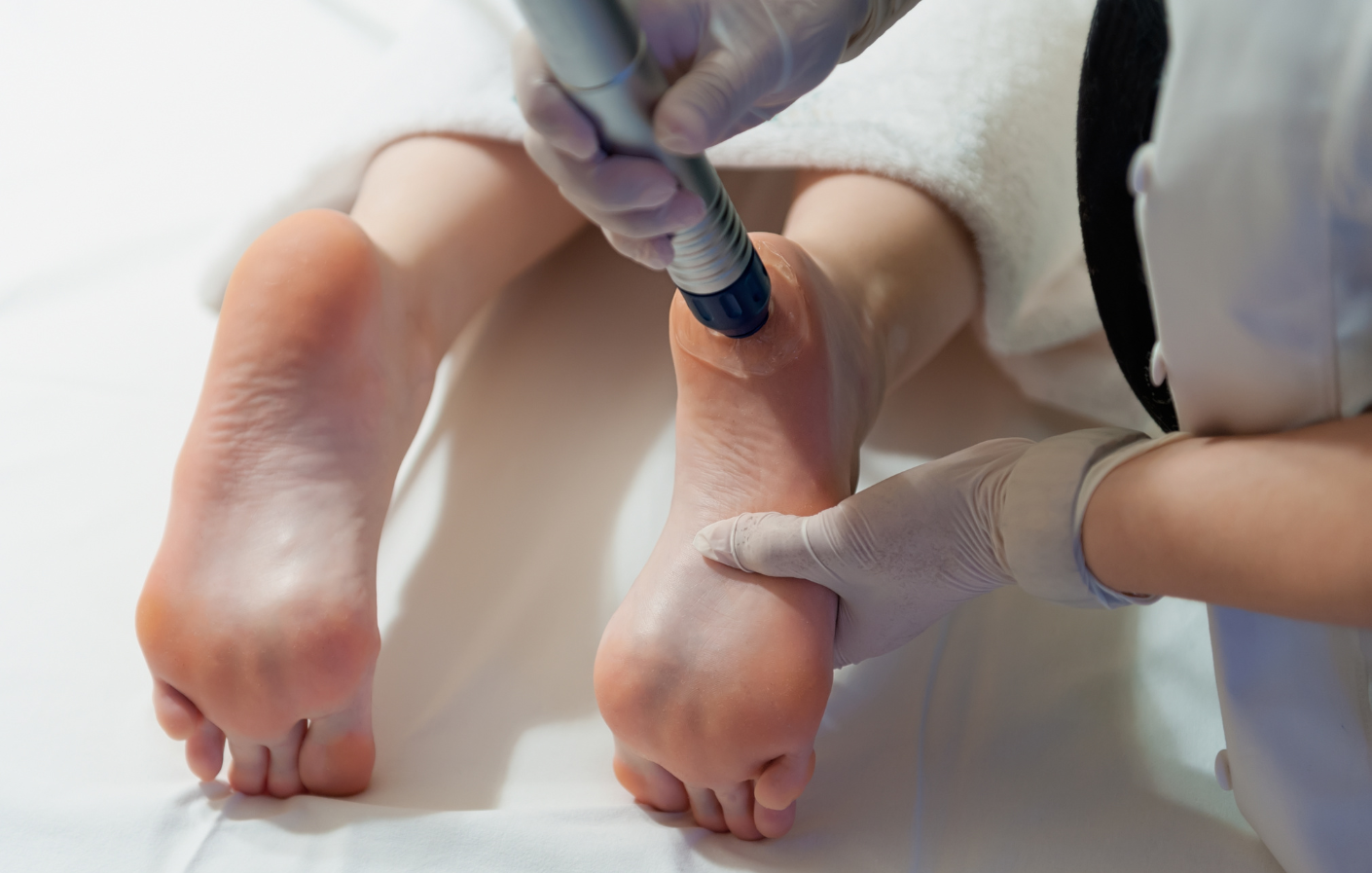
Ongoing Heel Pain? Shockwave Could Be Your Answer
Otherwise known as radial pressure wave therapy, shockwave therapy is a device held by our podiatrists and positioned against your foot or leg at the site of your injury.
Read more
Podiatrist Toenail Transformation To Healthy And Clear: Here’s How
We can transform the appearance of toenails to look healthy and clear in three ways, and as fast as in one appointment. Here's how.
Read more

Tingling Feet After Exercise: Should You Be Concerned?
Tingling or numbness in your feet and legs during or after exercise can be an odd sensation. If you’re prone to experiencing it, the most common reasons are related to pressure on nerves or problems with your circulation.
Read more

Are My High Heels Changing My Foot Shape Permanently?
Does wearing high heels really come at a cost to our feet? If you’re wondering what effects - if any - high heels may be having on your feet, here’s the inside scoop from our podiatrists.
Read more
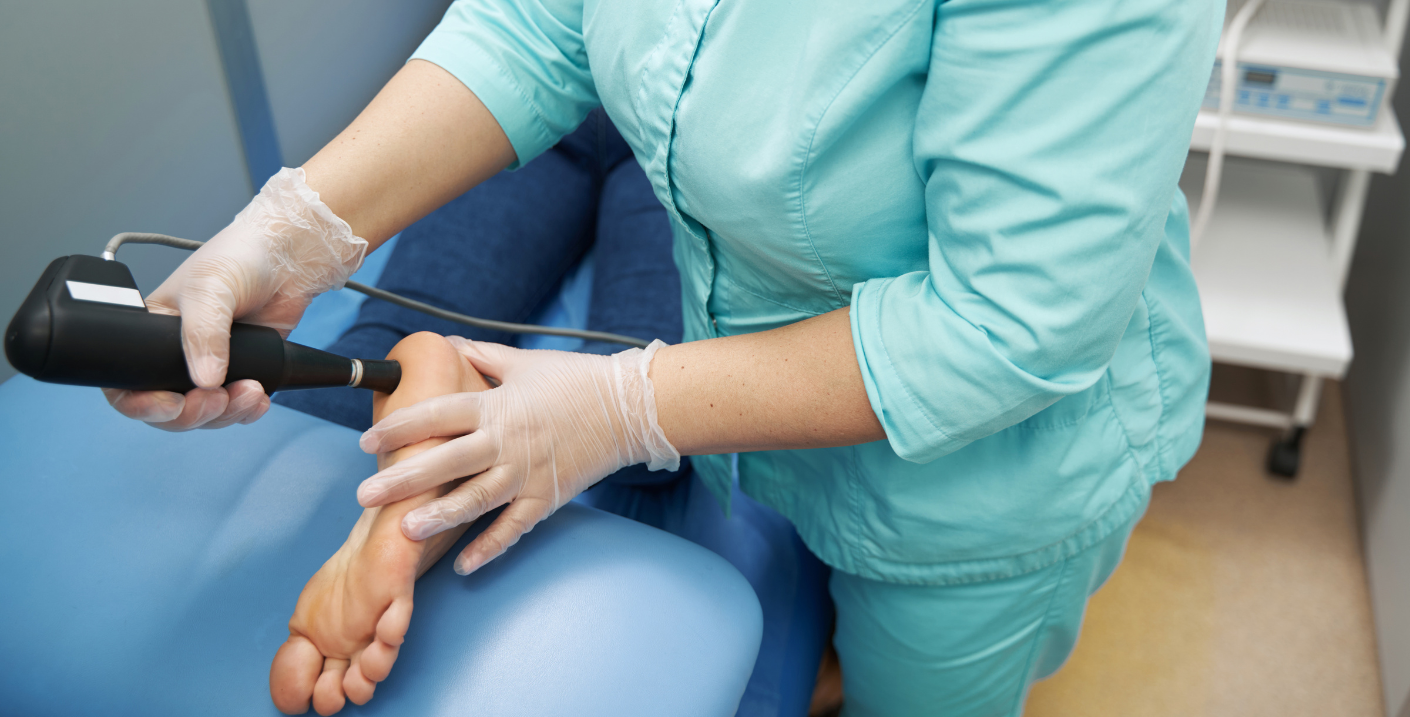
Shockwave Treatment For Foot And Leg Pain
It’s important to not only use an evidence-based treatment plan to help you get the best outcomes for your foot and leg pain, but to help you see the best results in the shortest time. That’s the reason we’ve invested in shockwave.
Read more
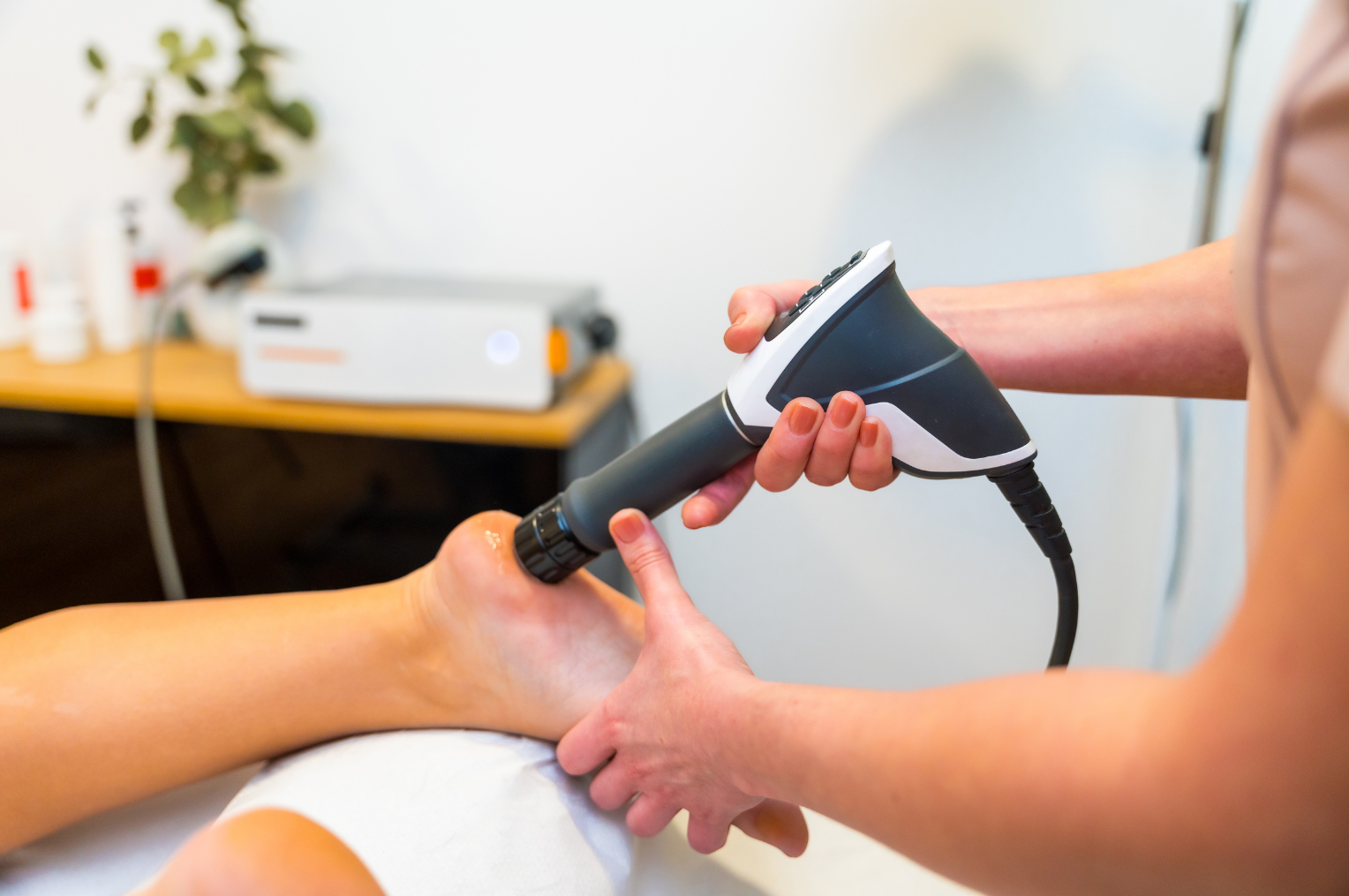
Shockwave vs Laser For Heel And Foot Pain: Which Is Best?
Heel pain is our specialty here at Perform Podiatry. We now have Low-Level Laser Therapy (LLLT) and Shockwave Therapy to
help you get the best results from your treatment.
Read more
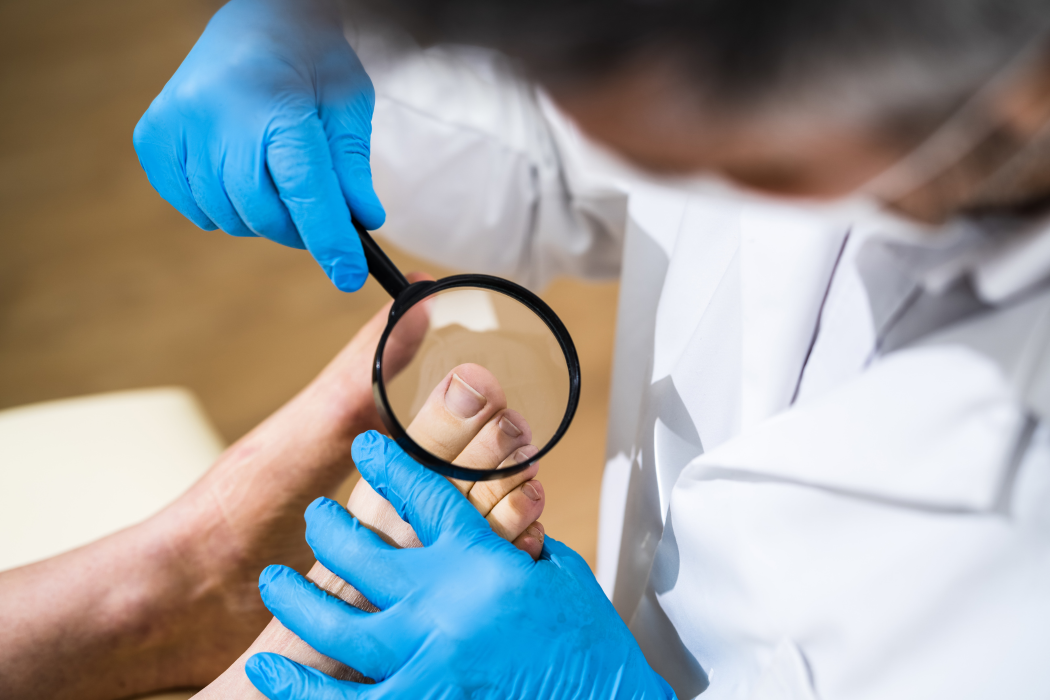
Does Your Ingrown Toenail Have A Fungal Nail Infection?
We treat a lot of ingrown toenails here at the Auckland Ingrown Toenail Clinic. So, with approximately 10% or more of the adult population harbouring a fungal nail infection, it’s not uncommon that we see many ingrown toenails where a stubborn nail fungus has also infiltrated the nail. So how can you tell, what can […]
Read more
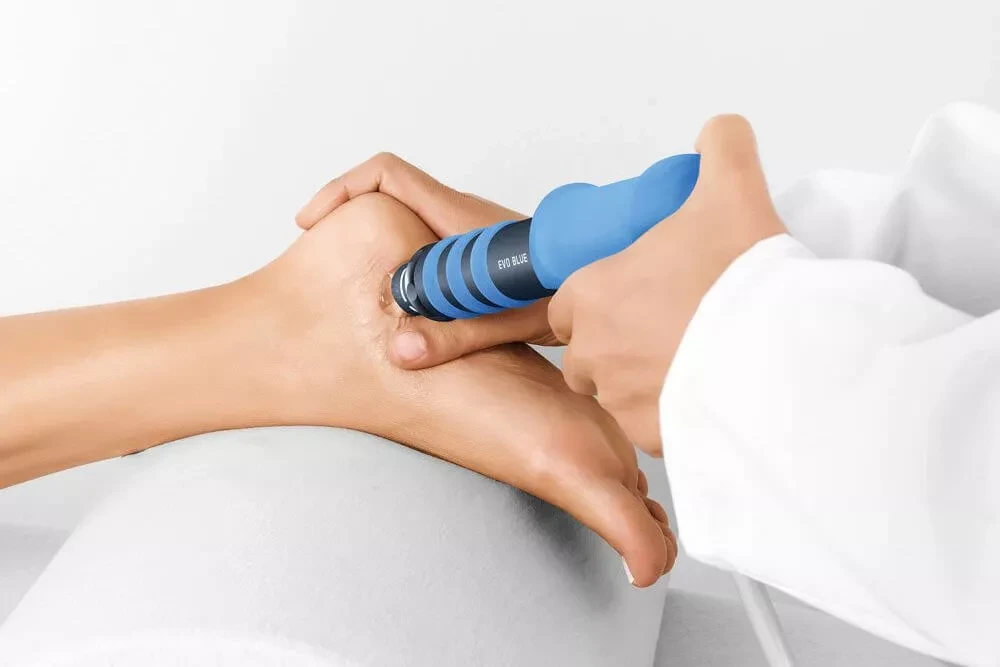
Shockwave Therapy For Injury Recovery & Pain Relief
Shockwave therapy is a gold standard treatment used to help achieve the best clinical outcomes for musculoskeletal injuries and pain – and we’re very proud to now offer it to our patients here at Perform Podiatry.
Read more
Not Just An Ingrown Toenail: Osteomyelitis Case Review
While many of the cases we see here at the Auckland Ingrown Toenail Clinic are fairly standard, there are a few that vary greatly from the ‘norm’, and could have resulted devastating consequences if they had been left untreated under the hopes that the ingrown nail would “go away on its own”, something many people […]
Read more
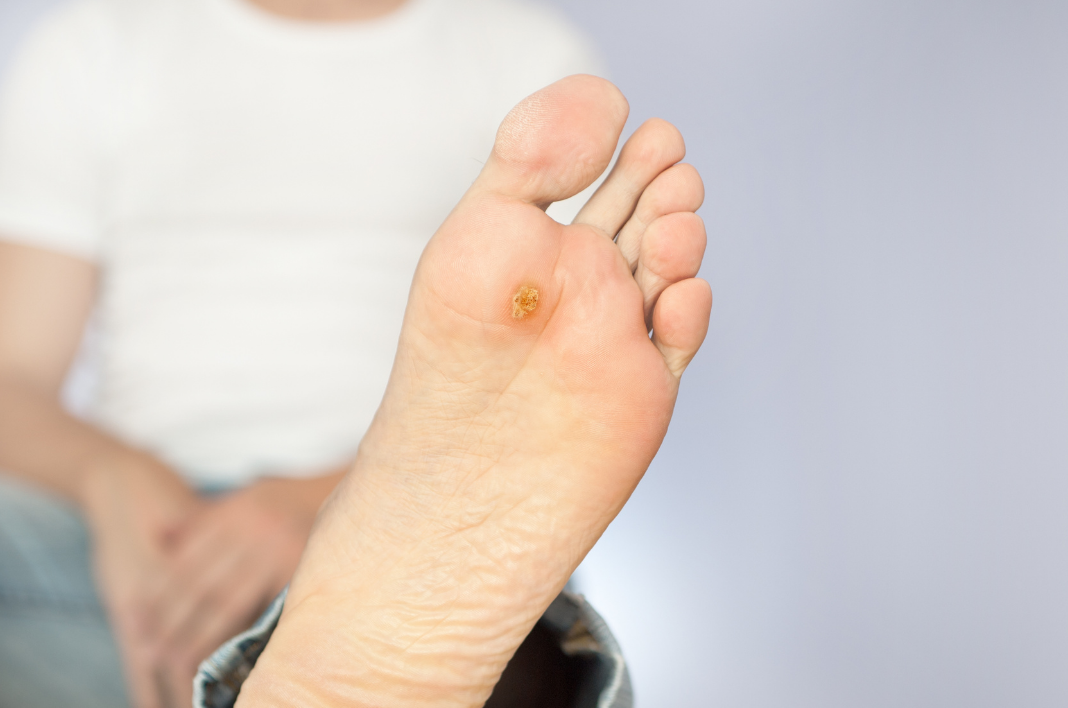
Verruca Removal Auckland
They may be small, but verrucas, also known as plantar (foot) warts, are much more than just a minor annoyance. They can be painful to walk on and extremely persistent, making your day to day life a lot less pleasant or comfortable. As one of Auckland’s leading podiatry clinics that specialise in ingrown toenails, we […]
Read more
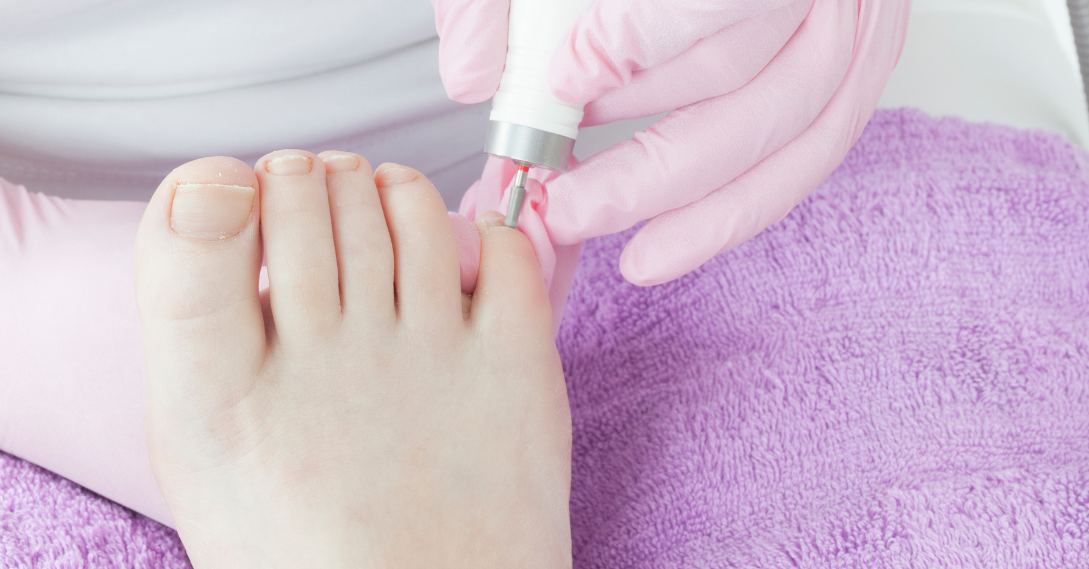
The Best Medical Pedicure In Auckland?
Not all pedicures are the same. For more than just aesthetic touch-ups, a medical pedicure by a podiatrist ensures your feet are cared for with expert attention, leaving you feeling safe and confident.
Read more
What Are The Red Flags For An Ingrown Toenail?
Ingrown toenails can be painful and uncomfortable, so identifying the ‘red flags’ of ingrown nails early on can be helpful in getting prompt treatment and reducing the risk of complications. So what are the top red flags you should be looking out for? One: Persistent Pain and Discomfort One of the most significant red flags […]
Read more

What Makes Hip Dysplasia Worse In Babies?
Hip dysplasia in babies can be concerning for parents. It occurs when the hip joint doesn’t develop properly, leading to instability and potential dislocation, either present at birth or developing soon after.
Read more
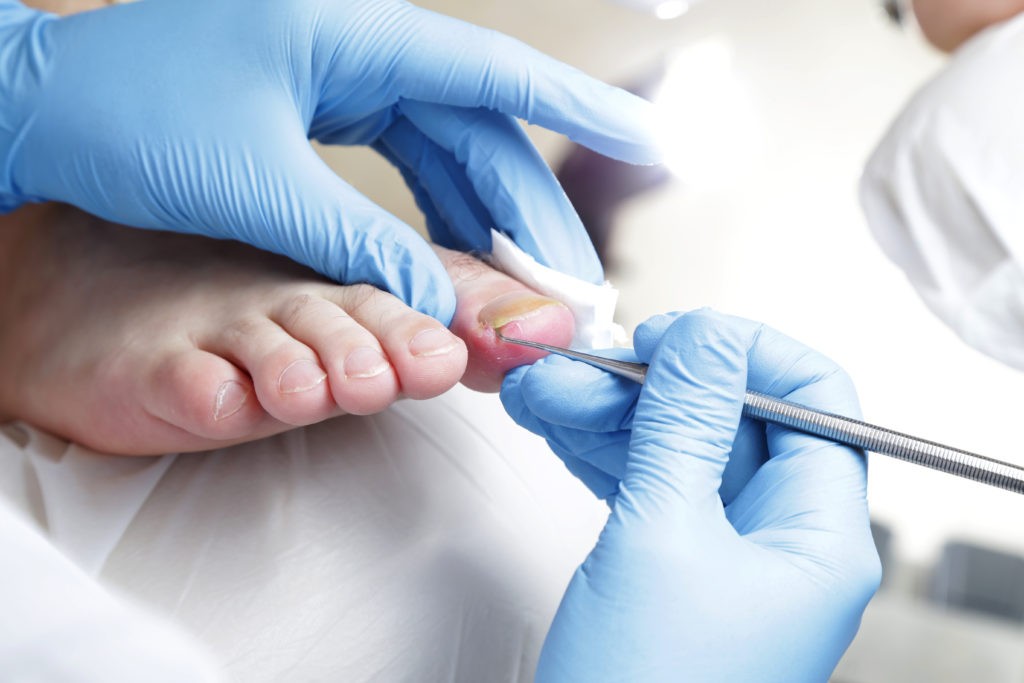
Is Ingrown Toenail Surgery Painful?
Dealing with an ingrown toenail can be a painful and frustrating experience, with many people opting to have ingrown toenail surgery to find lasting relief. But is ingrown toenail surgery painful? And if it is, is it really worth the discomfort? Do You Really Need Ingrown Toenail Surgery? The first thing you must consider when […]
Read more
Who Is The Right Specialist To See For Foot Pain?
Foot pain can severely impact daily life, limiting mobility and causing constant discomfort. Promptly seeing the right health professional can make all the difference in starting your recovery journey.
Read more

Buying School Shoes Online? How To Measure Kids Feet Accurately
With the new school year approaching, our podiatrists are advising parents on buying kids' school shoes. Traditionally, this involves shopping in-store and considering factors like fit and support.
Read more
Signs You Need Permanent Correction For Your Ingrown Toenails
For many Kiwis, ingrown toenails are a persistent and painful condition that significantly impacts their daily life. While some cases can be managed with conservative measures like trimming back the nail carefully, either at home or with the help of your podiatrist (recommended) there are instances where a more permanent solution is required. The Partial […]
Read more
Choosing The Right Expert: Why A Podiatrist Is Your Best Bet For Foot And Ankle Pain
Foot and ankle pain can not only be debilitating, but also affects both our mobility and our overall quality of life.
Read more

Caring for Ageing Feet: How Your Podiatrist Helps
As we get older, certain tasks get that little bit harder – whether it’s getting your shoes on, opening a jar, or reaching your feet to trim your toenails.
Read more
Does Your Leg And Foot Posture At Your Desk Really Matter?
Whether you’re in the office or working remotely, a lot of our workforce spends a significant portion of their day sitting at a desk, often in front of a computer.
Read more

Ingrown Toenails And Sports: How To Prevent And Manage Pain During Activity
Engaging in sports and physical activities can bring joy and numerous health benefits. However, just because you’re staying active, regardless of whether you’re doing it at a professional level or recreationally, does not mean that you’re immune to foot conditions like ingrown toenails. Ingrown toenails can be particularly bothersome when you live an active lifestyle, […]
Read more

NZ Skiing and Snowboarding: Injury Prevention Tips From Your Podiatrist
Snow sports in New Zealand, like skiing and snowboarding, are thrilling. Prepare your body to minimize risk, whether in Queenstown or North Island fields.
Read more

Ingrown Toenails In The Elderly: Causes, Treatment, And Prevention
Ingrown toenails are a painful and frustrating condition, and while this holds true for everyone, this is particularly applicable to the elderly population. As we grow older, the risk of developing ingrown toenails increases due to various factors such as changes in nail growth, foot structure, and reduced flexibility which leaves us unable to reach […]
Read more
Signs Your Ingrown Toenail Needs Help From Your Podiatrist
If you consider ingrown toenails to be the most debilitatingly painful problem given that it involves such a seemingly small nail, you’re not alone. These are the exact same thoughts shared by most people who come into our ingrown toenail clinic to have their ingrown nails professionally cared for – and often to get rid […]
Read more

Best Footwear For Foot Pain
Dealing with foot pain is a challenging and uncomfortable experience for most.
Read more
How to Care for Ingrown Toenails After Surgery: Tips for Quick Recovery
For those undergoing ingrown toenail surgery, it can feel like a massive weight has been lifted off of your shoulders (or toes), finally giving you much-needed relief from the pain and discomfort. And as with any minor surgical procedure, having proper care after your procedure is essential for a smooth and speedy recovery. To ensure […]
Read more

Podiatry Tips For Protecting Your Feet This Winter
With winter well and truly here, we find ourselves bidding farewell to sandals and embracing cosy merino socks. However, for podiatrists like us, the arrival of winter also means an increase in patients seeking help for specific foot problems that arise due to the colder temperatures. To help, here are our valuable podiatry insights into […]
Read more

Ingrown Toenails and Pregnancy: Causes, Treatment, and Prevention
Pregnancy is an incredibly exciting time, but also one that is full of the unexpected – and that includes all sorts of pregnancy aches and pains. And due to the body undergoing significant changes, such as hormonal and weight changes, included in those pains is the increased risk of developing ingrown toenails. Here are the […]
Read more
What’s The Alternative To Orthotics?
Had a previous experience with orthotics where they weren’t that comfortable, didn’t fit your shoes well, or didn’t do what they were meant to?
Read more

How to Choose the Right Shoes to Avoid Ingrown Toenails
Ingrown toenails are undoubtedly painful and frustrating, especially if you continue to get them over and over. While there are many causes of ingrown toenails, such as picking or pulling at the nails, or trimming the toenails too far down the sides of the nail to give them a curved appearance, one causative factor that […]
Read more
How Can I Prevent And Treat Blisters On My Feet?
Blisters: they’re an enemy that most of us are far too familiar with – often accompanied by a fantastic new pair of shoes that we were initially very excited about. Instead, we’re left in pain and uncomfortable, searching for anything we can place over the blisters to cover them up and stop the stinging. Blisters […]
Read more

Does My Baby Have An Ingrown Toenail?
Noticed an area of red, swollen skin at the side of your baby’s toenail and wondering if it’s possible that they’ve developed an ingrown toenail? It absolutely is – we’ve treated ingrown nails in infants as young as three months old – and it can happen earlier than that, too. Signs Your Baby Has An […]
Read more
How Can I Prevent And Treat Foot Odour?
You call it having smelly or stinky feet, we call it bromodosis. Unpleasant foot odour is a relatively common, albeit often embarrassing, problem that affects approximately one in five people. It occurs when sweat and bacteria accumulate on the feet, creating an unpleasant odour. While foot odour is not usually a serious medical condition given […]
Read more
Debunking Ingrown Toenail Treatment Recommendations
Just like you’re reading this article now, for many people with an ingrown toenail, particularly if it’s their first time with one, they’ll also head online to seek out the best way to treat an ingrown toenail. And after hearing some interesting feedback from our patients in terms of their online search results, we decided […]
Read more
Signs Your Heel Pain Is From A Heel Spur
Heel spurs are a hot topic in our clinic – particularly around whether they’re the underlying cause of a person’s ongoing or recurring heel pain. There’s a lot of confusion and misconceptions around heel spurs, especially in relation to plantar fasciitis heel pain. Here’s what you should know about heel spurs from the heel pain […]
Read more

Why Don’t Antibiotics Fix An Ingrown Toenail?
As a clinic specialising in ingrown nail care and treatment, we often see patients who have been battling with an ingrown toenail for many weeks and come to us to finally get rid of the problem. During the appointment, it’s surprisingly common to hear: “but I went to my doctor and got antibiotics – I’m […]
Read more
Why Do My Feet Feel Like They Are Burning At Night?
Getting spontaneous waves of burning feelings in your feet? Burning feet are keeping you awake at night? It can be quite alarming to feel unusual sensations moving through your feet, especially when you can’t pinpoint a specific cause or trigger. This is a concern for many of our patients, who aside from feeling burning through […]
Read more
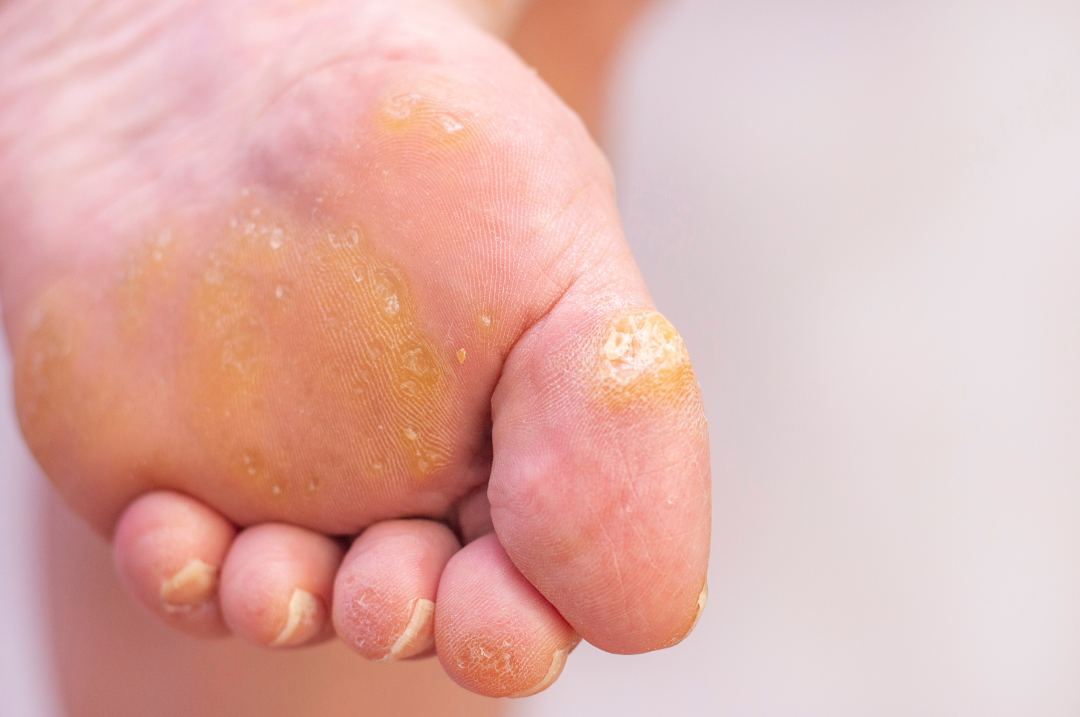
Is It An Ingrown Nail, Or A Corn? A Case Study
While most of the time our patients are confident about an ingrown toenail diagnosis, we thought we’d share the case of a recent patient who thought she had a very painful ingrown toenail – only to discover that she actually had a corn in the area where an ingrown toenail would normally be found. The […]
Read more
Is Your Recovery After Exercise Holding You Back This Summer?
Summer is here and many of our patients have launched into summer workouts, meeting their fitness goals – and just generally enjoying their time outdoors and getting out in nature. But while working out feels like the most important (and often most difficult) part of getting started, did you know that your recovery after exercise […]
Read more